



HISTORY OF GULF MOTORSPORT
Since its founding in 1901, Gulf has been synonymous with energy, innovation, and trust. It was born in a time of great industrial transformation, driven by a pioneering vision: to bring the future closer to people through technology, progress, and mobility. Over time, Gulf not only accompanied this change but defined it, establishing standards of quality and performance that shaped the course of an entire industry.
For over a century, the brand has evolved alongside the world, adapting to each era without losing its essence. Its story is that of a company that understood that energy goes beyond fuel: it is also an emotional force that moves people, inspires dreams, and creates connection. Gulf has translated that energy into a way of life based on passion, precision, and style.
Gulf transformed technique into aesthetics and functionality into emotion, becoming a cultural icon that transcends its sector with its unmistakable blue and orange tones.
And if there's one arena where that legacy truly comes alive, it's motorsport. Gulf has always shown a deep passion for racing, playing a part in defining moments in motorsport history and forging an enduring connection with fans worldwide. Its blue and orange livery is an emblem of performance, excitement, and style, recognized at every racetrack and revered by generations.
That relationship with motorsport is the purest reflection of the Gulf spirit: a unique combination of innovation, passion, and timeless aesthetics that has accompanied the sport's biggest names and continues to inspire new generations. Its history on the track is, in reality, the very history of the brand.

1936–1937. Morman Meteor sponsored by Gulf
Gulf took its first step into motorsport by supporting the Morman Meteor, an advanced record-breaking car based on a Duesenberg and powered by a 700 hp Curtiss V12 aircraft engine.
The Gulf-sponsored Morman Meteor broke an impressive number of records at the Bonneville Salt Flats (Utah), achieving a 24-hour record at a speed of 153.8 mph and a 48-hour record with an average speed of 148.6 mph. In 1937, the improved Morman Meteor II set a new record by reaching 157.3 mph.
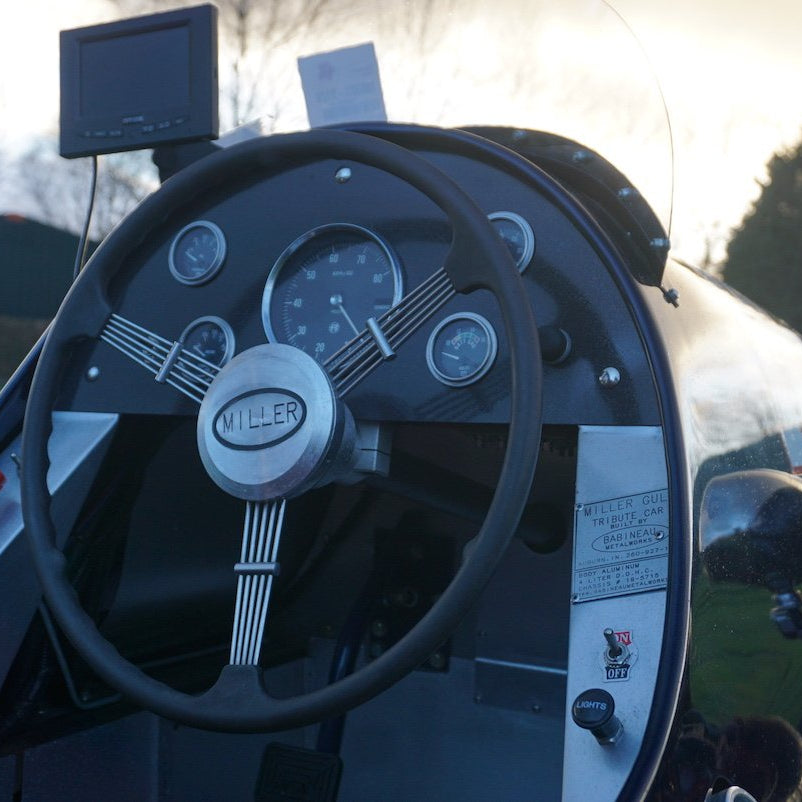
1938. Gulf-Miller
Although the Gulf-Miller cars didn't fare well at Indianapolis, driver George Barringer broke no fewer than 14 Class D (2-3 liter) international speed records at the Bonneville Salt Flats. These included 158.446 mph over 5 km, 150.242 mph in one hour, and an average speed of 142.770 mph over the Indy equivalent of 500 miles.
Impressive achievements for the time.
1936–1937. Morman Meteor sponsored by Gulf
Gulf took its first step into motorsport by supporting the Morman Meteor, an advanced record-breaking car based on a Duesenberg and powered by a 700 hp Curtiss V12 aircraft engine.
The Gulf-sponsored Morman Meteor broke an impressive number of records at the Bonneville Salt Flats (Utah), achieving a 24-hour record at a speed of 153.8 mph and a 48-hour record with an average speed of 148.6 mph. In 1937, the improved Morman Meteor II set a new record by reaching 157.3 mph.
1938. Gulf-Miller
Although the Gulf-Miller cars didn't fare well at Indianapolis, driver George Barringer broke no fewer than 14 Class D (2-3 liter) international speed records at the Bonneville Salt Flats. These included 158.446 mph over 5 km, 150.242 mph in one hour, and an average speed of 142.770 mph over the Indy equivalent of 500 miles.
Impressive achievements for the time.
Gulf-JW Automotive
—
1965-1975
In the late 1960s and early 1970s, the Gulf brand achieved international prominence thanks to its technical and financial sponsorship of major racing programs.
Gulf Vice President Grady Davis linked the brand with John Wyer (JW Automotive Engineering), propelling Gulf's entry into the World Endurance Championship (WEC). Between 1967 and 1975, the Gulf-JW Automotive team became a legendary force with its Ford GT40, Porsche 917, and Mirage cars.
Gulf achieved victories in the 24 Hours of Le Mans (1968, 1969 and 1975), in addition to titles in the World Sportscar Championship.
During this period, the iconic light blue and orange colors that define Gulf's identity today were born. The original corporate blue was replaced with a more vibrant shade—inherited from the recently acquired Wilshire Oil Company—to reflect the brand's energy.

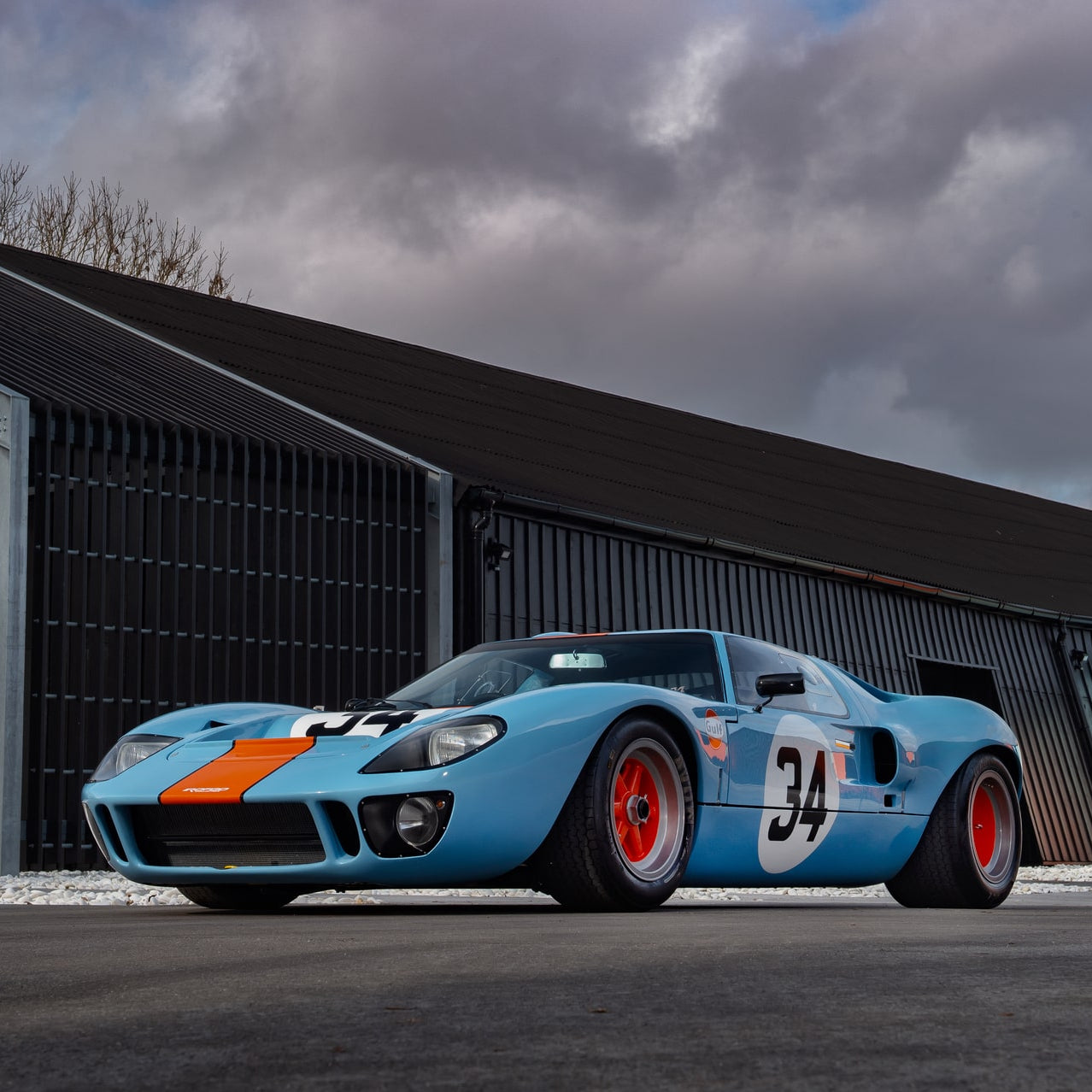
1967. First victories for Gulf-JW Automotive
The Mirage-Ford M1, prepared by JW Automotive, achieved its first victory at the 1000 km of Spa (Belgium) with Jacky Ickx and Richard Thompson. Ickx repeated his triumph at Karlskoga (Sweden), and Jo Bonnier and Paul Hawkins won a week later at Skarpnäck. The season concluded with another victory at the 9 Hours of Kyalami (South Africa), with Ickx and Brian Redman.
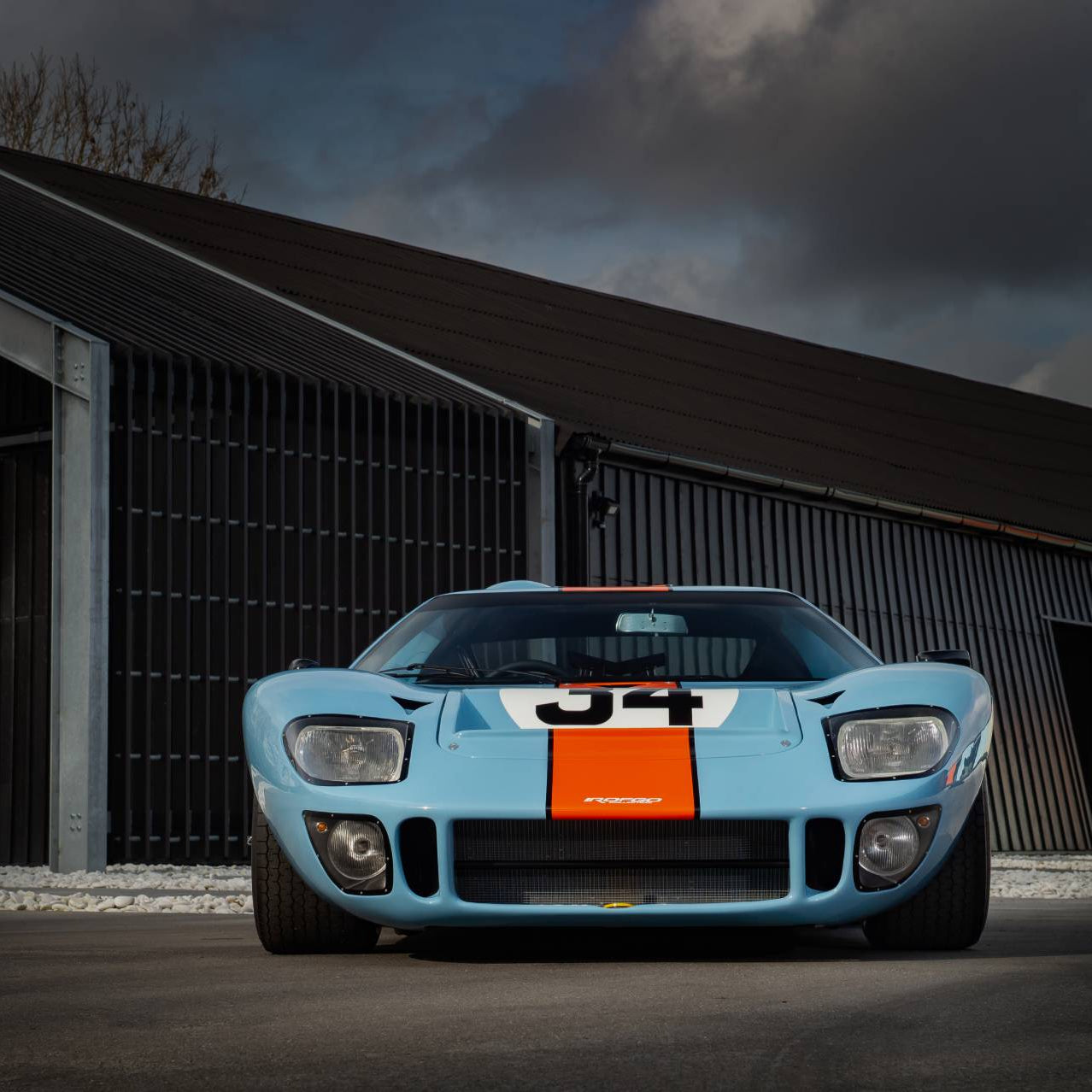
1968. Victory of the Ford GT40 Gulf-JW Automotive at Le Mans
Before their famous 1968 Le Mans victory, the team had already achieved seven wins in that year's Sports Car Championship, from the 6 Hours of Brands Hatch to the 6 Hours of Watkins Glen (USA), where they secured their first one-two finish. On September 29, 1968, the #9 Ford GT40 Gulf-JW Automotive, with its distinctive livery, gave Gulf its first Le Mans victory.
1969. Second consecutive victory at Le Mans
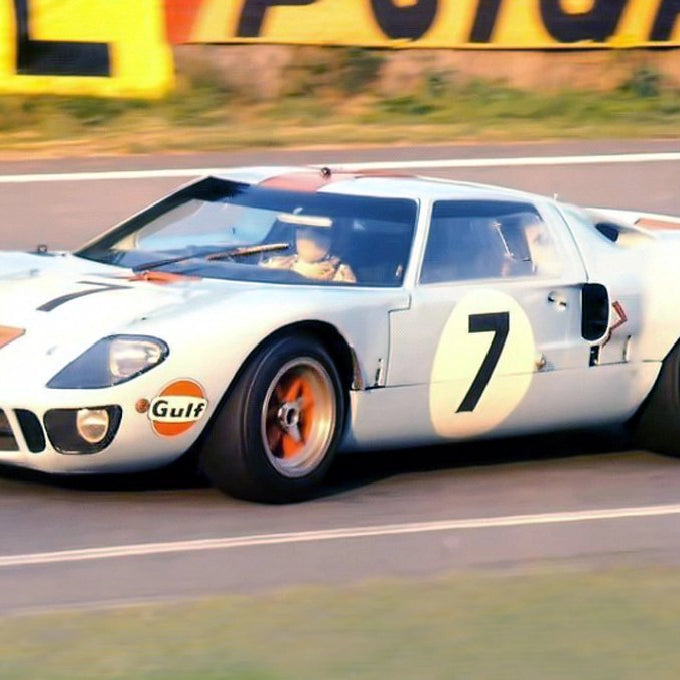
In 1969, Gulf-JW Automotive repeated their victory at the 24 Hours of Le Mans with Jacky Ickx and Jackie Oliver, averaging 208.25 km/h. The podium included another team car, the #7 Ford GT40 of David Hobbs and Mike Hailwood, which finished third behind the Porsche 908.
1967. First victories for Gulf-JW Automotive
The Mirage-Ford M1, prepared by JW Automotive, achieved its first victory at the 1000 km of Spa (Belgium) with Jacky Ickx and Richard Thompson. Ickx repeated his triumph at Karlskoga (Sweden), and Jo Bonnier and Paul Hawkins won a week later at Skarpnäck. The season concluded with another victory at the 9 Hours of Kyalami (South Africa), with Ickx and Brian Redman.
1968. Victory of the Ford GT40 Gulf-JW Automotive at Le Mans
Before their famous 1968 Le Mans victory, the team had already achieved seven wins in that year's Sports Car Championship, from the 6 Hours of Brands Hatch to the 6 Hours of Watkins Glen (USA), where they secured their first one-two finish. On September 29, 1968, the #9 Ford GT40 Gulf-JW Automotive, with its distinctive livery, gave Gulf its first Le Mans victory.
1969. Second consecutive victory at Le Mans
In 1969, Gulf-JW Automotive repeated their victory at the 24 Hours of Le Mans with Jacky Ickx and Jackie Oliver, averaging 208.25 km/h. The podium included another team car, the #7 Ford GT40 of David Hobbs and Mike Hailwood, which finished third behind the Porsche 908.
1970. Gulf-JW Automotive Porsche 917
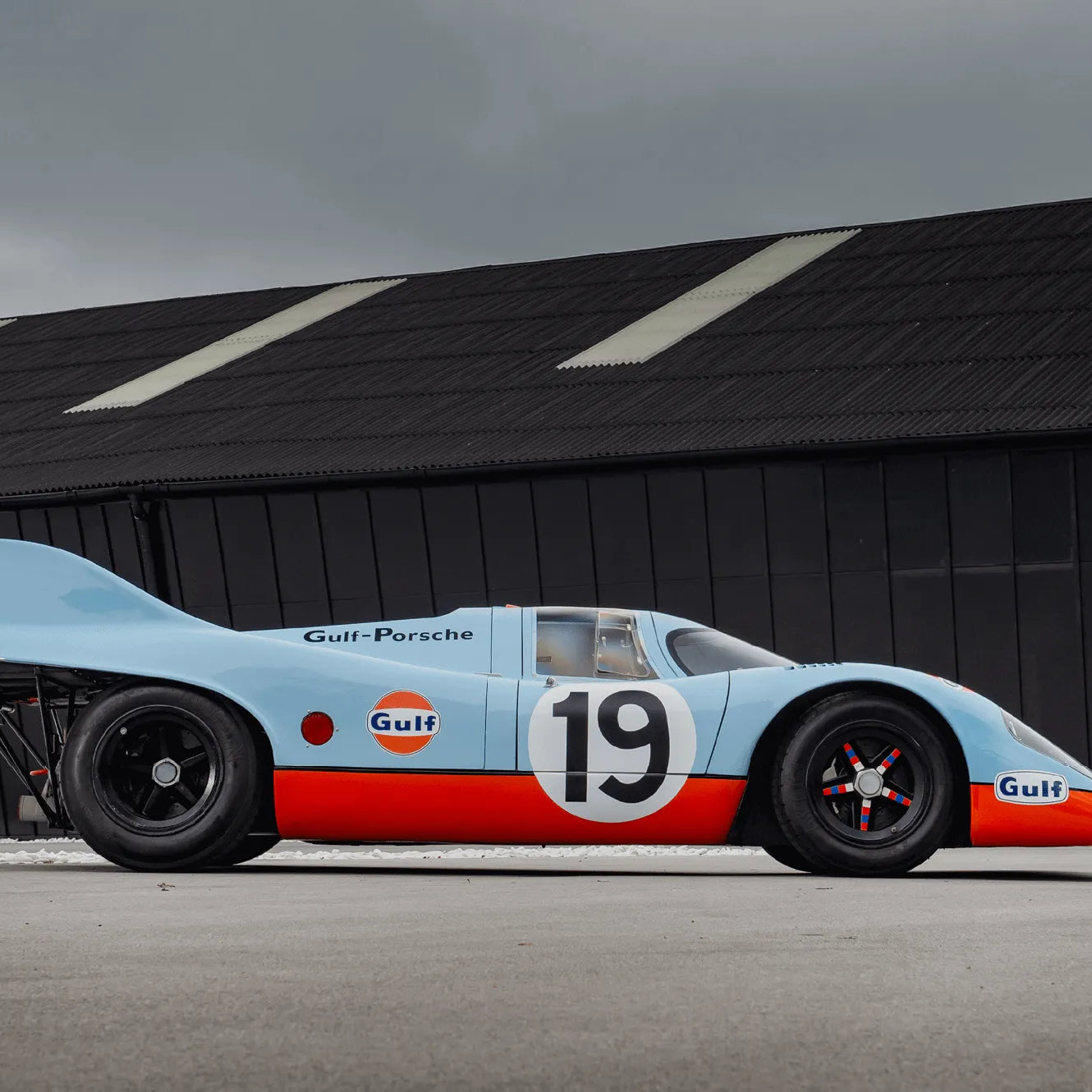
With the veteran GT40 pushed to its limits, the team adopted the new Porsche 917, sporting the iconic blue and orange livery. Its debut was triumphant: a victory at the 24 Hours of Daytona with Rodríguez, Kinnunen, and Redman. That year, Gulf secured seven more wins, including the legendary Targa Florio with Siffert and Redman at the wheel of the Porsche 908/3.
1971. Porsche 917 and the movie Le Mans
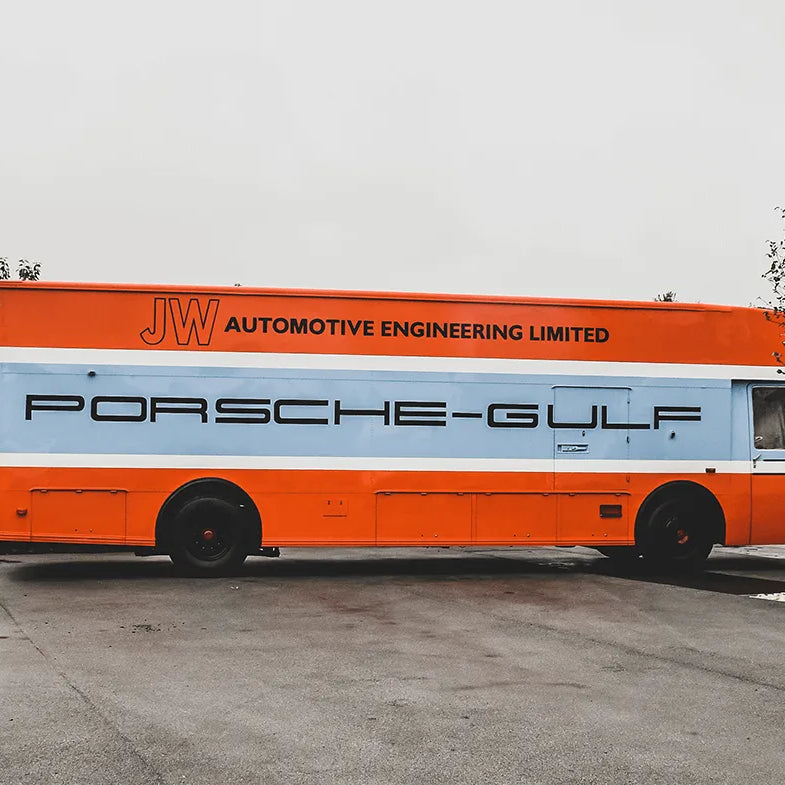
The team continued its winning streak with the 917K, which gave Derek Bell his first victory with Gulf (1000 km of Buenos Aires). That same year, the film "Le Mans," starring Steve McQueen, brought global fame to the Gulf livery: the actor drove the legendary blue and orange #20 Porsche 917, turning that image into cinematic legend.
1972–1975. Gulf Research Racing Company
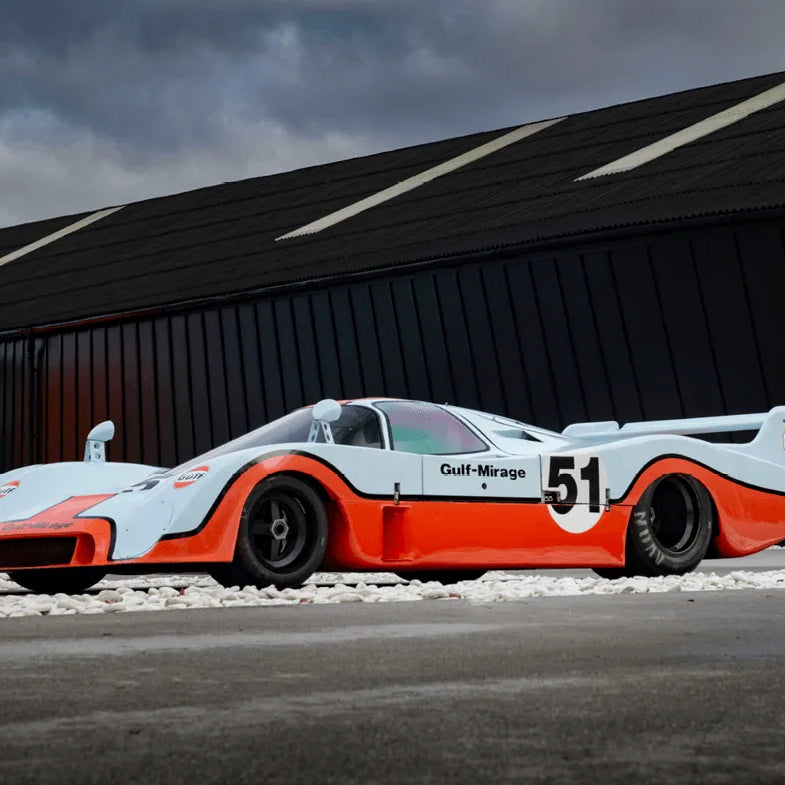
With the regulation changes in 1972, JW Automotive created the Gulf Research Racing Company, introducing the new Mirage GR6 with a Ford Cosworth 3.0 L engine.
After several evolutions (GR7, GR8), the team achieved its third victory at Le Mans in 1975 with Derek Bell and Jacky Ickx, in addition to a third place for the second car.
After this historic Le Mans hat trick and three Sport Prototype World Championships, Gulf temporarily withdrew from endurance racing.
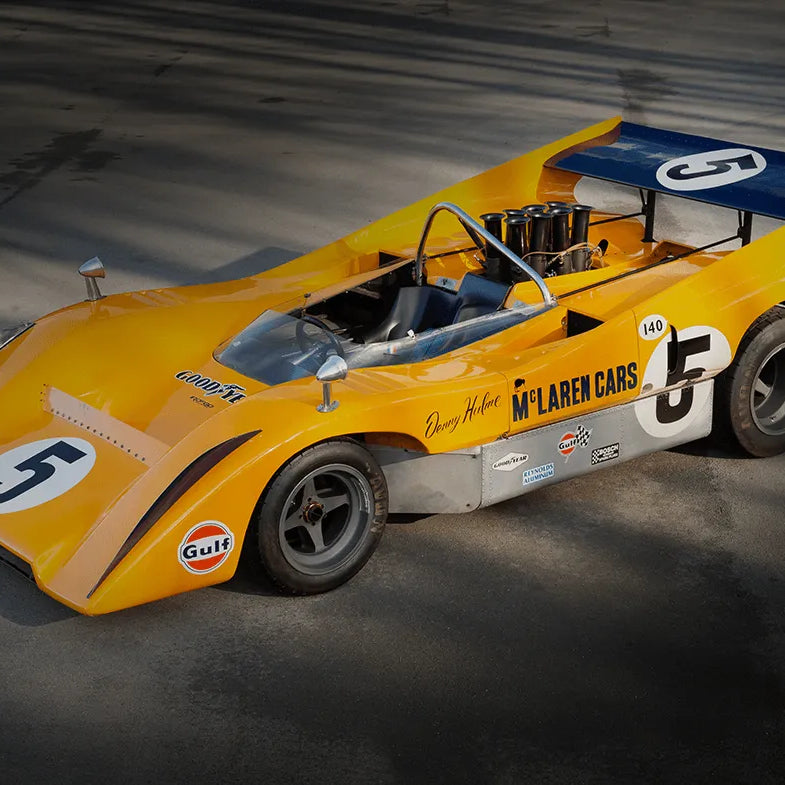
1968–1974. Gulf Team McLaren
In parallel, Gulf expanded its presence by sponsoring McLaren in Can-Am, IndyCar, and Formula 1. The partnership (1968–1974) produced seven F1 victories and absolute dominance in Can-Am (35 wins and 20 one-two finishes). The McLaren M6s of Bruce McLaren and Denny Hulme marked a golden era under Gulf livery.
1970. Gulf-JW Automotive Porsche 917
With the veteran GT40 pushed to its limits, the team adopted the new Porsche 917, sporting the iconic blue and orange livery. Its debut was triumphant: a victory at the 24 Hours of Daytona with Rodríguez, Kinnunen, and Redman. That year, Gulf secured seven more wins, including the legendary Targa Florio with Siffert and Redman at the wheel of the Porsche 908/3.
1971. Porsche 917 and the movie Le Mans
The team continued its winning streak with the 917K, which gave Derek Bell his first victory with Gulf (1000 km of Buenos Aires). That same year, the film "Le Mans," starring Steve McQueen, brought global fame to the Gulf livery: the actor drove the legendary blue and orange #20 Porsche 917, turning that image into cinematic legend.
1972–1975. Gulf Research Racing Company
With the regulation changes in 1972, JW Automotive created the Gulf Research Racing Company, introducing the new Mirage GR6 with a Ford Cosworth 3.0 L engine.
After several evolutions (GR7, GR8), the team achieved its third victory at Le Mans in 1975 with Derek Bell and Jacky Ickx, in addition to a third place for the second car.
After this historic Le Mans hat trick and three Sport Prototype World Championships, Gulf temporarily withdrew from endurance racing.
1968–1974. Gulf Team McLaren
In parallel, Gulf expanded its presence by sponsoring McLaren in Can-Am, IndyCar, and Formula 1. The partnership (1968–1974) produced seven F1 victories and absolute dominance in Can-Am (35 wins and 20 one-two finishes). The McLaren M6s of Bruce McLaren and Denny Hulme marked a golden era under Gulf livery.
I'm back with the Kremer Porsche Spyder K8
—
1994
Nearly two decades later , Gulf returned to international motorsport by sponsoring the Kremer Porsche Spyder K8 at Le Mans in 1994, with Derek Bell finishing sixth.

Gulf x McLaren F1 GTR
—
1995–1997
Gulf resumed its historic partnership with McLaren, competing with the F1 GTR, the racing version of the iconic sports car. The team achieved nine victories, including its debut at Jerez in 1995, and the 1996 Global GT Championship title with Ray Bellm and James Weaver.


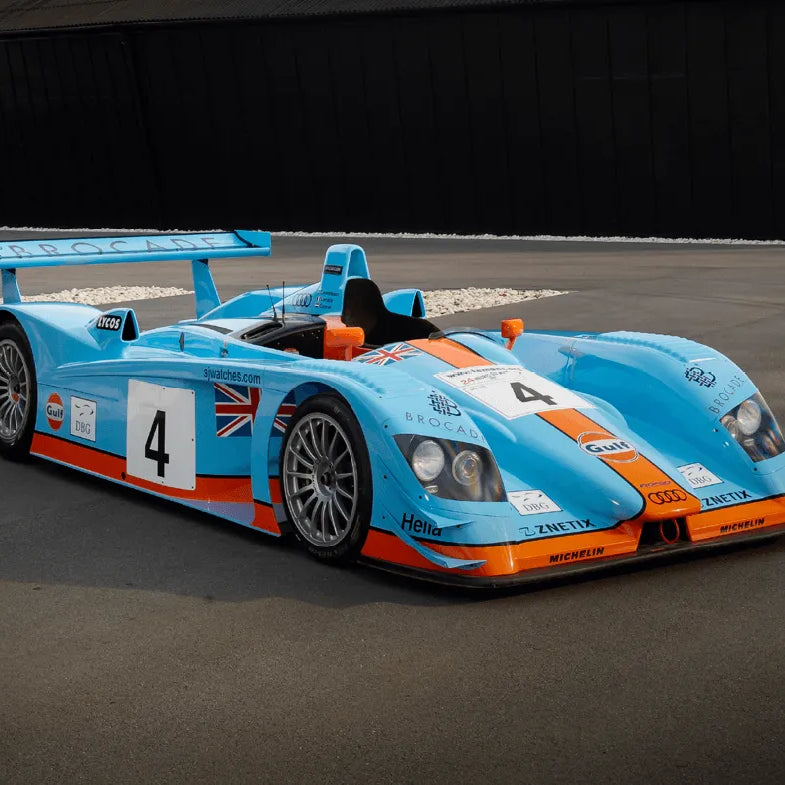
2001. Return with the Audi R8
The legendary blue and orange livery returned in 2001 with an Audi R8 sponsored by Gulf and driven by Stefan Johansson, achieving the Drivers' and Teams' titles in the European Le Mans Series.
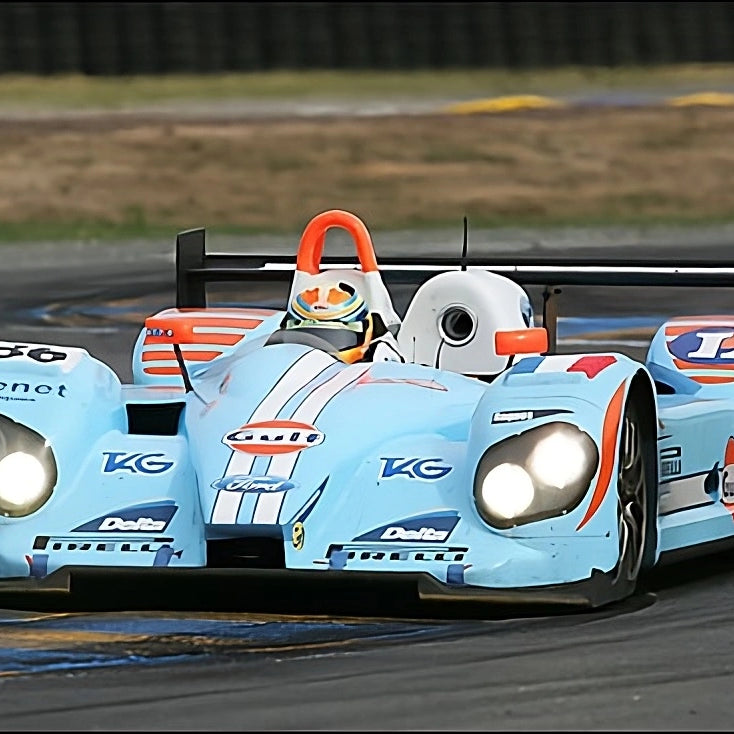
2005–2006. Gulf with Paul Belmondo Racing
Gulf partnered with PBR, achieving LMP2 victories (Monza and Silverstone) and podium finishes at Le Mans. In 2006, Gulf also supported Belmondo's Nissan 4x4 in the Dakar Rally.
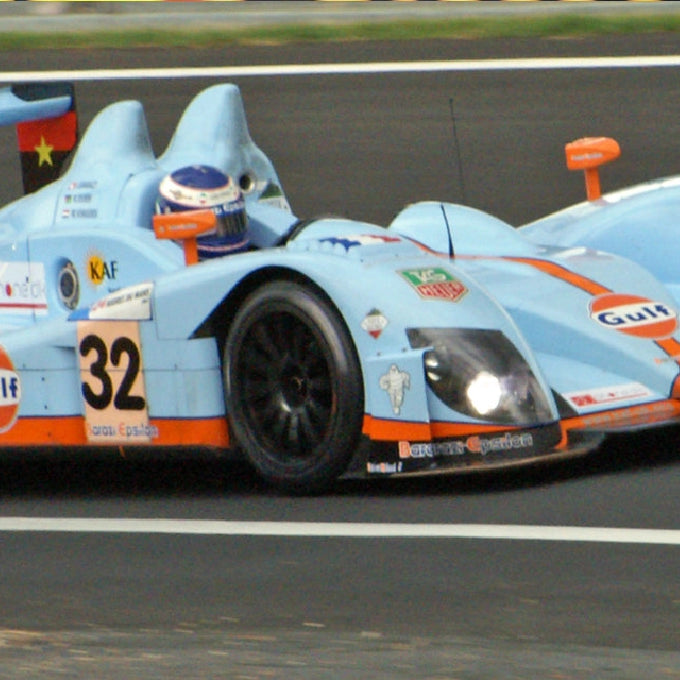
2007. Gulf x TAG Heuer and Barazi-Epsilon
Gulf began its collaboration with TAG Heuer, reflecting their shared passion for precision and design. That same year, it supported the Barazi-Epsilon team in the Le Mans Series, achieving victories at Silverstone and Interlagos.
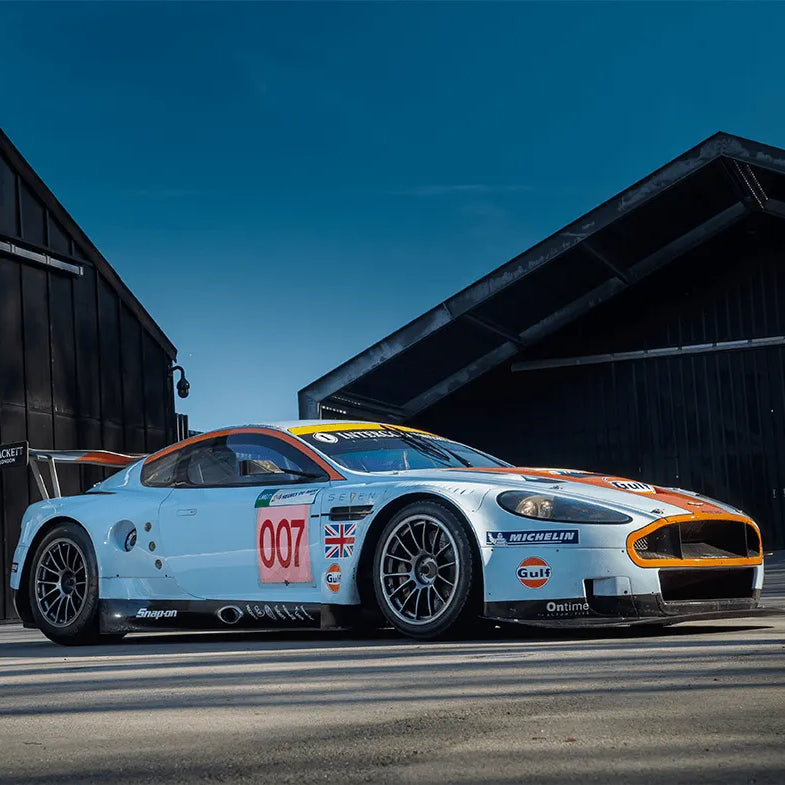
2008–2010. Gulf and Aston Martin Racing
An alliance was born between two icons: Gulf and Aston Martin Racing.
The DBR9s won the GT1 category at Le Mans in 2008, and the LMP1 prototype DBR 1-2 achieved team, manufacturer and driver titles in 2009. In 2010, the collaboration continued with podium finishes at Sebring, Paul Ricard and Long Beach.
2001. Return with the Audi R8
The legendary blue and orange livery returned in 2001 with an Audi R8 sponsored by Gulf and driven by Stefan Johansson, achieving the Drivers' and Teams' titles in the European Le Mans Series.
2005–2006. Gulf with Paul Belmondo Racing
Gulf partnered with PBR, achieving LMP2 victories (Monza and Silverstone) and podium finishes at Le Mans. In 2006, Gulf also supported Belmondo's Nissan 4x4 in the Dakar Rally.
2007. Gulf x TAG Heuer and Barazi-Epsilon
Gulf began its collaboration with TAG Heuer, reflecting their shared passion for precision and design. That same year, it supported the Barazi-Epsilon team in the Le Mans Series, achieving victories at Silverstone and Interlagos.
2008–2010. Gulf and Aston Martin Racing
An alliance was born between two icons: Gulf and Aston Martin Racing.
The DBR9s won the GT1 category at Le Mans in 2008, and the LMP1 prototype DBR 1-2 achieved team, manufacturer and driver titles in 2009. In 2010, the collaboration continued with podium finishes at Sebring, Paul Ricard and Long Beach.

2011–2016. Gulf AMR Middle East and WEC
The Gulf AMR Middle East team was founded, led by Mike Wainwright and Roald Goethe, competing in the Intercontinental Le Mans Cup and later in the World Endurance Championship (WEC). The Gulf-liveried Aston Martin Vantage GTE achieved consistent podium finishes between 2012 and 2016, including a victory in the final in China.
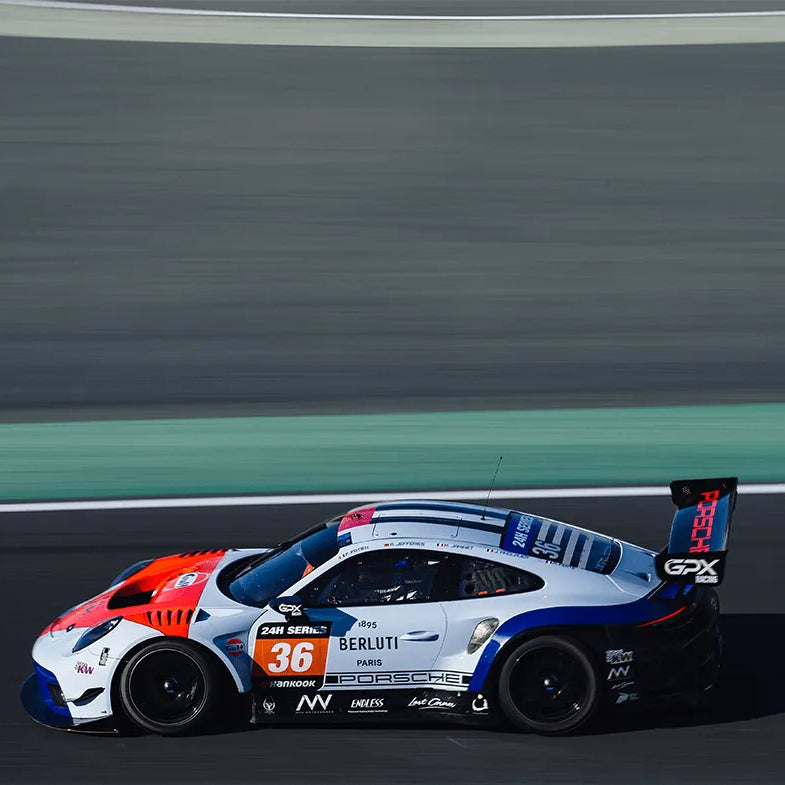
2018. Alliances with Ford, ROFGO and Porsche
Gulf collaborated with Ford Motor Company on the GT '68 Heritage commemorative edition, celebrating its 1968-69 victories. With ROFGO, Gulf won the 24 Hours of Spa with a Porsche 911 GT3R, and supported the Porsche 911 RSR GTE in the WEC.
2011–2016. Gulf AMR Middle East and WEC
The Gulf AMR Middle East team was founded, led by Mike Wainwright and Roald Goethe, competing in the Intercontinental Le Mans Cup and later in the World Endurance Championship (WEC). The Gulf-liveried Aston Martin Vantage GTE achieved consistent podium finishes between 2012 and 2016, including a victory in the final in China.
2018. Alliances with Ford, ROFGO and Porsche
Gulf collaborated with Ford Motor Company on the GT '68 Heritage commemorative edition, celebrating its 1968-69 victories. With ROFGO, Gulf won the 24 Hours of Spa with a Porsche 911 GT3R, and supported the Porsche 911 RSR GTE in the WEC.
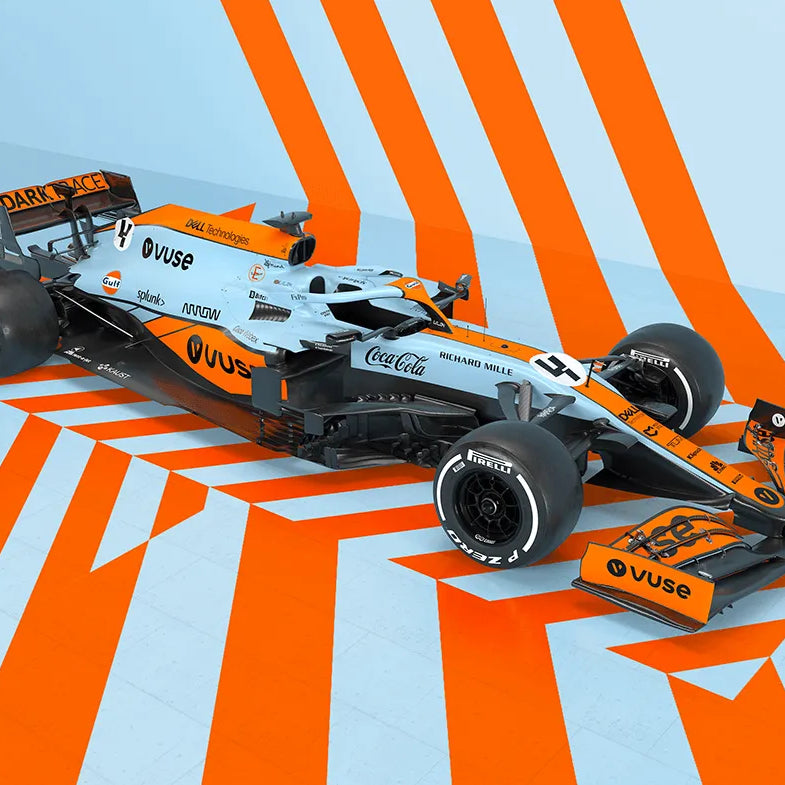
2021. Return of the historic livery to F1
At the 2021 Monaco Grand Prix, McLaren sported a special Gulf livery, paying homage to one of the most iconic designs in motorsport history.
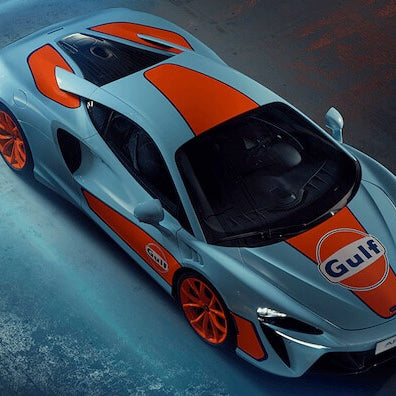
2022. Gulf Limited Editions
Gulf launched exclusive editions in collaboration with McLaren Automotive and Everrati: the McLaren Artura, Elva and the restored electric Porsche 911 (964), all featuring the iconic blue and orange colors.
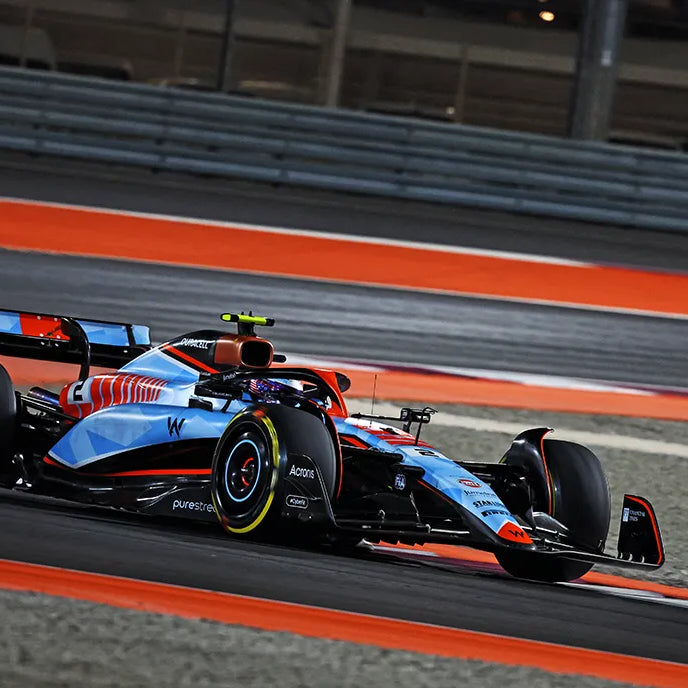
2023. Gulf x Williams Racing
In its first season with Atlassian Williams Racing, Gulf launched the “Bolder than Bold” campaign, inviting fans to vote on the car's livery. More than 180,000 votes resulted in a winning design, which debuted at the Singapore, Japanese, and Qatar Grands Prix.
2021. Return of the historic livery to F1
At the 2021 Monaco Grand Prix, McLaren sported a special Gulf livery, paying homage to one of the most iconic designs in motorsport history.
2022. Gulf Limited Editions
Gulf launched exclusive editions in collaboration with McLaren Automotive and Everrati: the McLaren Artura, Elva and the restored electric Porsche 911 (964), all featuring the iconic blue and orange colors.
2023. Gulf x Williams Racing
In its first season with Atlassian Williams Racing, Gulf launched the “Bolder than Bold” campaign, inviting fans to vote on the car's livery. More than 180,000 votes resulted in a winning design, which debuted at the Singapore, Japanese, and Qatar Grands Prix.